
Can a Dirty Roof Affect Your Home Insurance in Florida?
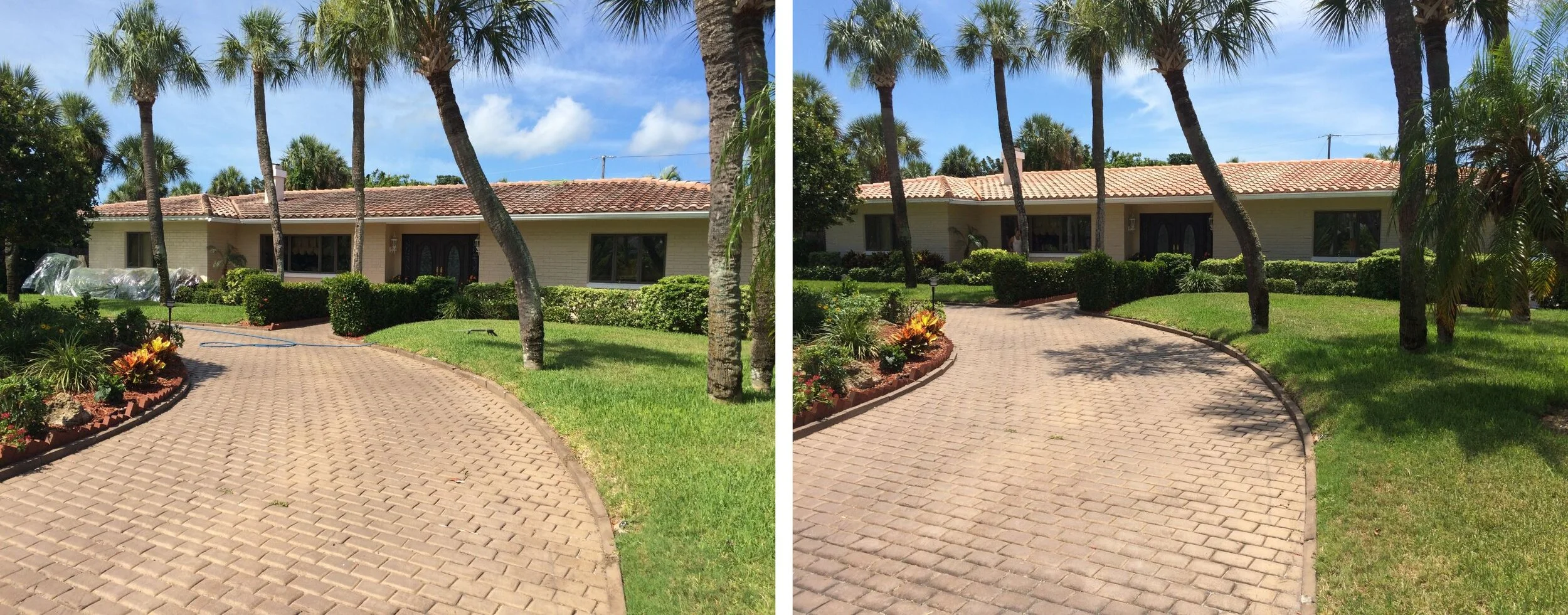
Yes, a dirty roof can put your home insurance in play in Florida. Many carriers now review insured homes with aerial imagery. Heavy black streaks, moss, or debris can be flagged as a condition concern, and that shows up in your mailbox as a letter asking for photos, an inspection, or cleaning by a deadline. Cleaning handles the staining side of the problem. A low-pressure soft wash removes the organic growth so the roof's real condition shows, and you get dated photos to respond with. It does not repair wear, and it is not an inspection or a certification.
This guide explains why roof condition letters have become common in Florida, what the letters usually ask for, what a cleaning can fix, and what needs a licensed roofer.
Why do Florida insurers look so closely at roofs?
Roof claims drive a large share of Florida homeowner losses, so carriers underwrite roof condition aggressively. Along with age questions, many now use aerial and satellite photo reviews between renewals. On those images, a roof covered in dark algae streaks, moss patches, or piled debris looks a lot like a roof that's deteriorating. The photo review cannot tell staining from wear, so the carrier asks you to prove which one it is.
What does a roof condition letter usually ask for?
- Photos or proof of maintenance: current pictures of the roof, sometimes with receipts or invoices showing upkeep.
- Cleaning or debris removal by a date: the carrier states what it saw, such as staining, moss, or branches, and asks for it to be addressed.
- A roof inspection or condition report: a licensed roofer or inspector documents remaining useful life. Citizens Property Insurance, for example, publishes a roof condition form for this purpose.
Read your letter carefully and match your response to the request. Cleaning photos do not close the file when the carrier asked for an inspection report. Going the other way wastes an inspection fee when a cleaning would have answered it.
What can a roof cleaning do?
The black streaks on Pinellas County shingle and tile roofs are usually Gloeocapsa magma, an airborne algae that thrives in gulf humidity, often joined by mildew, lichen, or moss in shaded areas. That growth is organic staining, and a low-pressure soft wash roof cleaning treats it without surface blasting. After a cleaning you have three things to work with:
- A roof whose real condition is visible in the next aerial pass or reinspection photo.
- Dated before-and-after photos and a written scope you can attach to your response before the deadline.
- Clear gutters, because gutter cleaning is included at no charge with every Cool Breeze roof cleaning, and clogged gutters look like deferred maintenance in the same photo reviews.
What can a roof cleaning not do?
Cleaning does not fix curling or missing shingles, cracked or slipped tiles, soft decking, or aged underlayment. A cleaning crew should not be the one telling you how much life your roof has left. If your letter cites damage or age, bring in a licensed roofing contractor for an inspection first. Florida law also gives homeowners some footing on the age question: Section 627.7011, Florida Statutes limits carriers from refusing to write or renew solely because of roof age when the roof is under fifteen years old, and owners of older roofs can generally document at least five years of remaining useful life with an inspection. Statutes get amended, so confirm the current rules with your agent.
How should you respond to a roof condition letter?
- 1. Note the deadline and the exact request. Photos, cleaning, or an inspection report are different responses.
- 2. Photograph the roof as it stands. A phone picture from the yard and one of each slope establishes the starting point.
- 3. Match the fix to the finding. Staining, moss, or debris points to a documented soft wash. Cited damage points to a licensed roofer.
- 4. Keep the paperwork. The written scope, the invoice, and dated after photos are what you send back, before the deadline, with a short note describing what was done.
What is the Pinellas County context?
Gulf humidity grows roof algae here faster than in most of the country, so a streaked roof tells you little about how the roof is holding up. Cool Breeze has soft washed shingle and tile roofs across Pinellas County since 1999, with the owner on every job and no subcontractors, and provides the written scope and dated photos that letter responses need. Service pages for St. Petersburg, Clearwater, and Largo cover the local details, and the soft wash vs pressure wash guide explains the method. Call 727-584-6622 for a free written quote.
Frequently Asked Questions
Why did my insurance company send a letter about my roof?
Many Florida carriers review insured homes with aerial or satellite imagery, and heavy black streaking, moss, lichen, or debris can be flagged as a condition concern.
The letter usually asks for one of a few things: photos, proof of maintenance, an inspection report, or cleaning by a stated date. Read it carefully to see what's being requested and by when.
Will cleaning my roof resolve an insurance letter?
It depends on what was flagged. If the concern is algae staining, moss, or debris, a documented cleaning with dated photos answers it directly.
If the inspector cited wear, damage, or age, that's a question for a licensed roofer. A cleaning crew cannot answer it. Roof cleaning removes organic growth. It is not an inspection, a repair, or a certification.
Does homeowners insurance pay for roof cleaning?
Routine exterior maintenance is normally the homeowner's responsibility. It is not a covered peril, so a standard cleaning is usually paid out of pocket. Your policy and your agent have the final word on what your coverage includes.
What does Florida law say about roof age and insurance?
Section 627.7011 of the Florida Statutes limits insurers from refusing to write or renew a homeowners policy solely because of roof age when the roof is under fifteen years old, and owners of older roofs can generally provide an inspection showing at least five years of remaining useful life. Laws change, so confirm the current wording with your agent before relying on it.
Is soft washing safe to schedule before a reinspection?
Cool Breeze cleans shingle and tile roofs with a low-pressure soft wash and no surface blasting, and the written quote states the method, products, and precautions for your roof before anyone climbs a ladder.
Gutter cleaning is included at no charge with every roof cleaning. That helps too, because clogged gutters look like deferred maintenance.